
Metabolic research covers a broad range of biological processes, including glucose regulation, insulin signaling, lipid metabolism, energy balance, mitochondrial function, appetite-related signaling, and body-composition pathways.
Research peptides are increasingly studied because many interact with biological pathways involved in these processes. Some act on incretin or glucagon receptors, while others are investigated for their relationships with growth-hormone signaling, mitochondrial function, or lipid metabolism.
In this guide, we explore 10 research peptides available from Meditech Plus Australia that are relevant to metabolic research. The list is organized by research relevance rather than by medical effectiveness or clinical ranking.
Research-use notice: The products discussed in this article are presented for laboratory and research purposes only. They are not presented as treatments, therapies, or recommendations for human use. Researchers should follow applicable Australian regulations, laboratory protocols, product documentation, and institutional requirements.
What Are Research Peptides Used in Metabolic Studies?
Research peptides used in metabolic studies can help researchers investigate signaling pathways associated with:
- Glucose and insulin regulation
- Incretin signaling
- Glucagon signaling
- Energy metabolism
- Lipid metabolism
- Fat storage and mobilization
- Mitochondrial function
- Growth-hormone and IGF signaling
- Appetite-related pathways
- Metabolic biomarkers
The compounds below represent different research pathways, making them relevant to a variety of experimental models.
Buy Top 10 Research Peptides Used in Metabolic Studies.
1. RETA 10mg

Research category: Metabolic Research
Retatrutide, commonly abbreviated as RETA, is one of the most extensively studied multi-receptor peptides in current metabolic research.
Retatrutide is designed to interact with three receptor pathways: GLP-1, GIP, and glucagon receptors. This multi-receptor activity makes it particularly relevant for research investigating the interaction between incretin signaling, glucose metabolism, energy balance, and lipid metabolism.
Recent research has examined retatrutide alongside metabolic biomarkers, including metabolites associated with fatty-acid oxidation and insulin resistance.
Why researchers study RETA
Research involving retatrutide may examine:
- GLP-1/GIP/glucagon receptor signaling
- Glucose metabolism
- Lipid metabolism
- Energy balance
- Metabolic biomarkers
- Multi-receptor pharmacology
2. Cagrilintide 10mg

Research category: Metabolic Research
Cagrilintide is a long-acting amylin analogue that has become an important compound in metabolic research.
Unlike GLP-1-based compounds, cagrilintide is associated with amylin receptor signaling, providing researchers with a different pathway for studying appetite-related signaling, energy balance, and metabolic regulation.
Research has also investigated cagrilintide in combination with incretin-based compounds, including semaglutide and retatrutide.
Why researchers study Cagrilintide
Research applications may include:
- Amylin signaling
- Energy balance
- Appetite-related pathways
- Metabolic regulation
- Peptide combination research
- Metabolic biomarker studies
Meditech Plus product:
Cagrilintide 10mg
3. Tirzepatide 10mg

Tirzepatide is a dual incretin receptor agonist that interacts with GIP and GLP-1 receptors.
Because these pathways are closely connected to glucose regulation and energy metabolism, tirzepatide has been extensively investigated in metabolic research.
Research literature describes tirzepatide as a dual GIP/GLP-1 receptor agonist, while newer studies continue to investigate its effects across metabolic and physiological pathways.
Why researchers study Tirzepatide
Research areas include:
- GIP receptor signaling
- GLP-1 receptor signaling
- Glucose metabolism
- Insulin-related pathways
- Energy balance
- Lipid and metabolic biomarkers
4. SURVODUTIDE 10MG
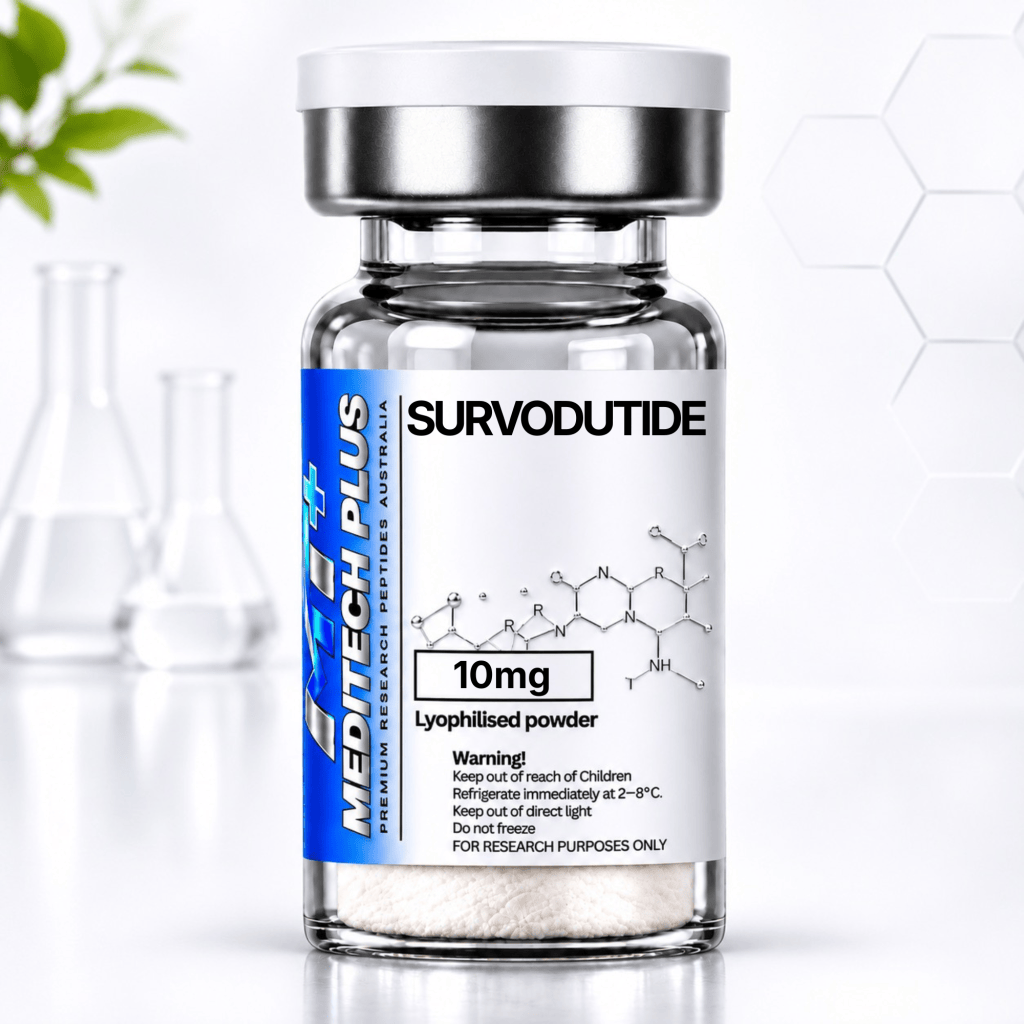
Survodutide is a dual glucagon receptor/GLP-1 receptor agonist investigated in metabolic research.
Its combined receptor activity makes it particularly relevant to research examining the interaction between glucagon signaling, GLP-1 pathways, glucose regulation, and energy metabolism.
Pharmacological research has evaluated survodutide’s receptor activity and biomarkers related to glucose tolerance and metabolic signaling. More recent research has also examined biomarkers of beta-cell function and insulin sensitivity.
Why researchers study Survodutide
Potential research areas include:
- GLP-1 receptor signaling
- Glucagon receptor signaling
- Glucose tolerance
- Insulin sensitivity
- Beta-cell biomarkers
- Energy metabolism
Meditech Plus product:
SURVODUTIDE 10MG
5. MOTS-C 40MG

MOTS-c is a mitochondrial-derived peptide encoded by mitochondrial DNA and is particularly interesting in metabolic research because of its relationship with cellular energy regulation.
Research has investigated MOTS-c in connection with glucose metabolism, insulin sensitivity, AMPK-related signaling, mitochondrial function, and metabolic homeostasis.
Metabolomics research has also examined changes in pathways associated with sphingolipid, monoacylglycerol, and dicarboxylate metabolism following MOTS-c exposure in experimental models.
Why researchers study MOTS-c
Research areas include:
- Mitochondrial signaling
- Glucose metabolism
- AMPK-related pathways
- Insulin sensitivity
- Energy metabolism
- Lipid metabolism
- Metabolic stress
Meditech Plus product:
MOTS-C 40MG
6. AOD-9604 5mg
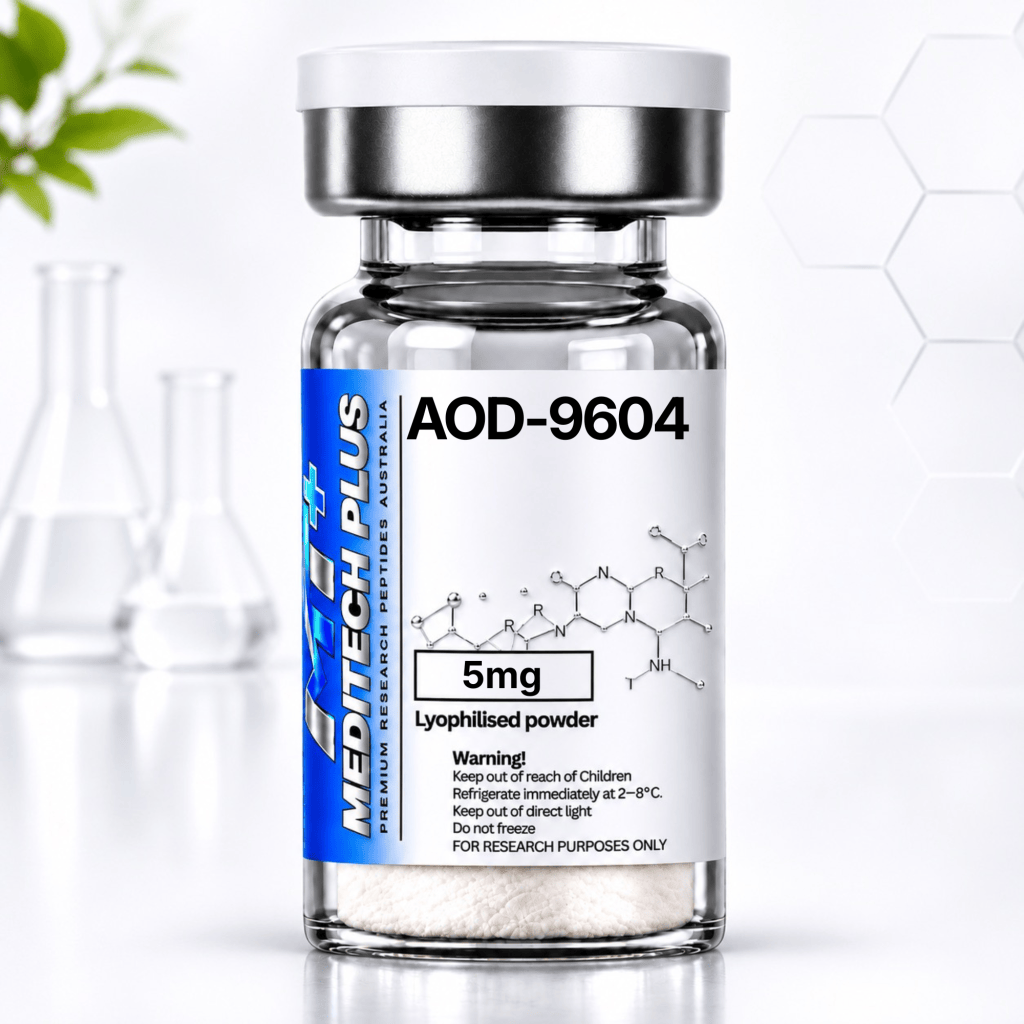
AOD-9604 is a synthetic peptide based on a portion of human growth hormone and has been investigated specifically in relation to metabolic and lipid pathways.
Early experimental research examined AOD-9604 in obese animal models and reported changes in body-weight gain and adipose-tissue lipolytic activity.
Other research has examined the metabolism and detection of AOD-9604 and its metabolites, providing additional information about how the peptide behaves in biological systems.
Why researchers study AOD-9604
Research areas include:
- Lipolytic signaling
- Adipose tissue metabolism
- Fat metabolism
- Peptide metabolism
- Metabolic pathway research
Meditech Plus product:
AOD-9604 5mg
7. TESAMORELIN 10MG

Tesamorelin is a synthetic growth-hormone-releasing hormone analogue that has been studied extensively in metabolic and body-composition research.
Research has examined its relationship with visceral adipose tissue, hepatic fat, lipid parameters, IGF-1 signaling, and body composition. A 2026 meta-analysis of randomized trials evaluated tesamorelin across metabolic and body-composition outcomes in people with HIV-associated lipodystrophy.
Why researchers study Tesamorelin
Research areas include:
- Growth-hormone signaling
- IGF-1 pathways
- Visceral adipose tissue
- Hepatic fat
- Body composition
- Metabolic biomarkers
Meditech Plus product:
TESAMORELIN 10MG
8. IGF-1 LR3
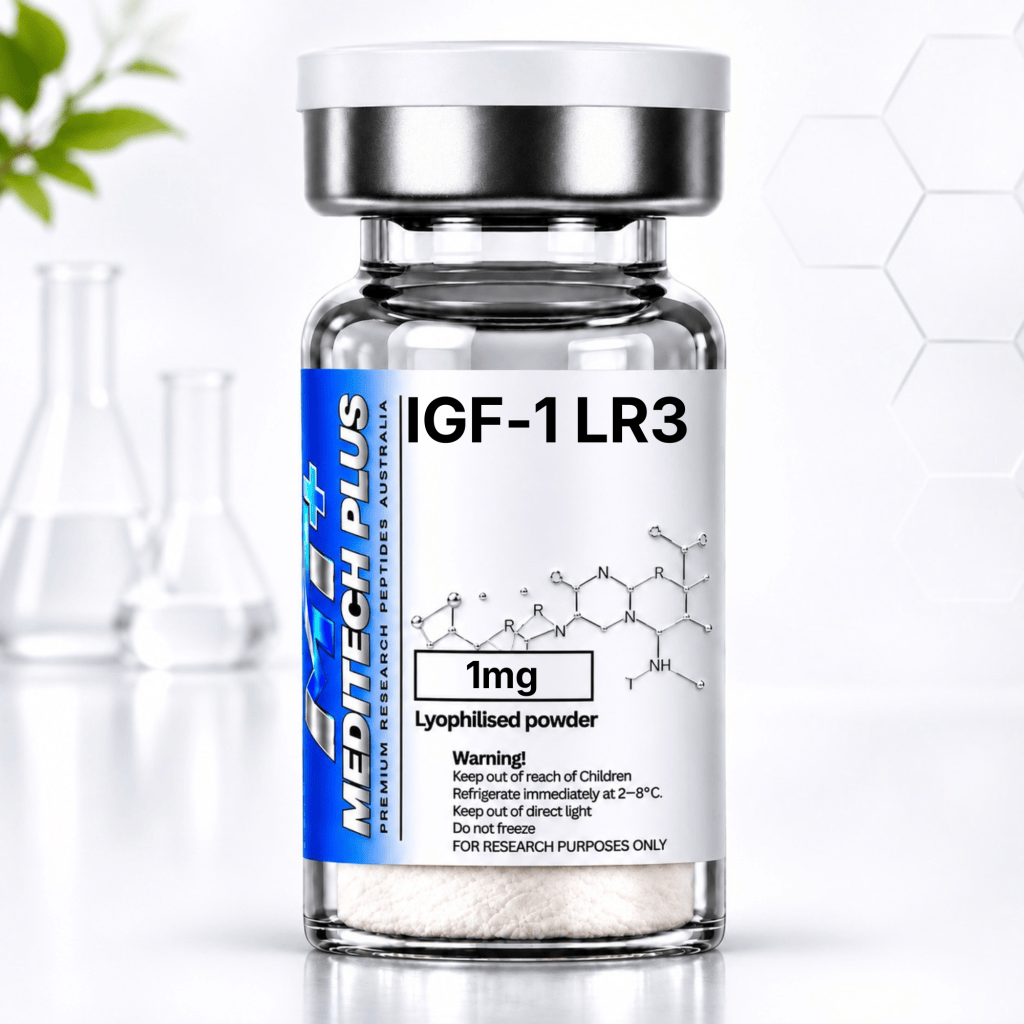
IGF-1 and synthetic IGF-1 analogues are relevant to research involving growth, cellular signaling, glucose-related pathways, and anabolic metabolism.
IGF-1 LR3 is a modified IGF-1 analogue investigated in experimental and analytical research. Studies have examined the metabolism and detection of LongR3-IGF-I and related IGF-I analogues using biological samples and mass-spectrometry techniques.
Experimental studies have also investigated LR3IGF-I in relation to growth and anti-catabolic effects in animal models.
Why researchers study IGF-1 LR3
Research areas include:
- IGF signaling
- Cellular growth pathways
- Protein metabolism
- Metabolic signaling
- Peptide pharmacokinetics
- Analytical detection
Meditech Plus product:
IGF-1 LR3
9. GHRP-6 10mg
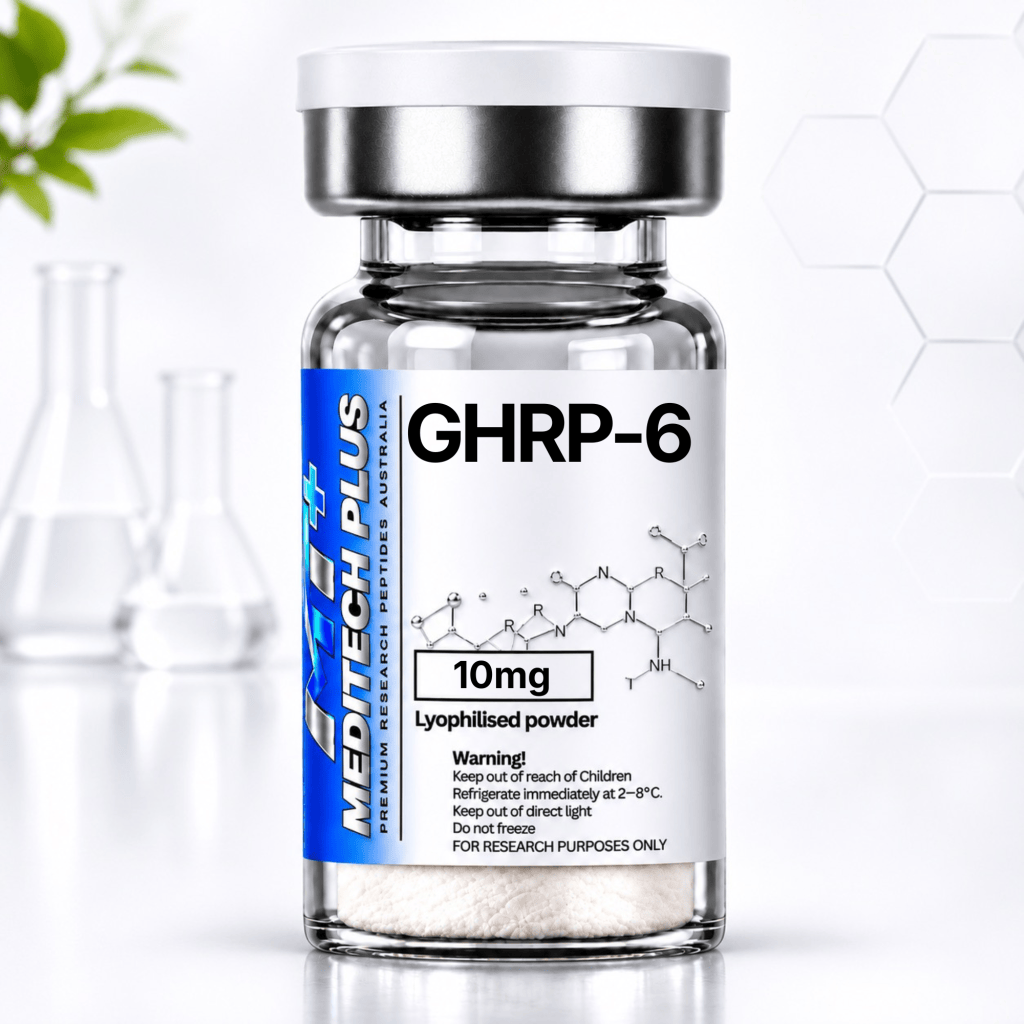
GHRP-6 is a growth-hormone-releasing peptide that can be studied within the broader growth-hormone and metabolic signaling network.
Growth-hormone pathways intersect with several metabolic processes, including lipid metabolism, glucose regulation, protein metabolism, and body-composition signaling.
For metabolic research, GHRP-6 can therefore be relevant when researchers are investigating interactions between peptide signaling, growth-hormone release, and downstream metabolic pathways.
Why researchers study GHRP-6
Research areas include:
- Growth-hormone signaling
- Metabolic regulation
- Lipid metabolism
- Glucose-related pathways
- Peptide-receptor interactions
- Endocrine signaling
Meditech Plus product:
GHRP-6 10mg
10. CJC-1295 + Ipamorelin 10 mg No DAC
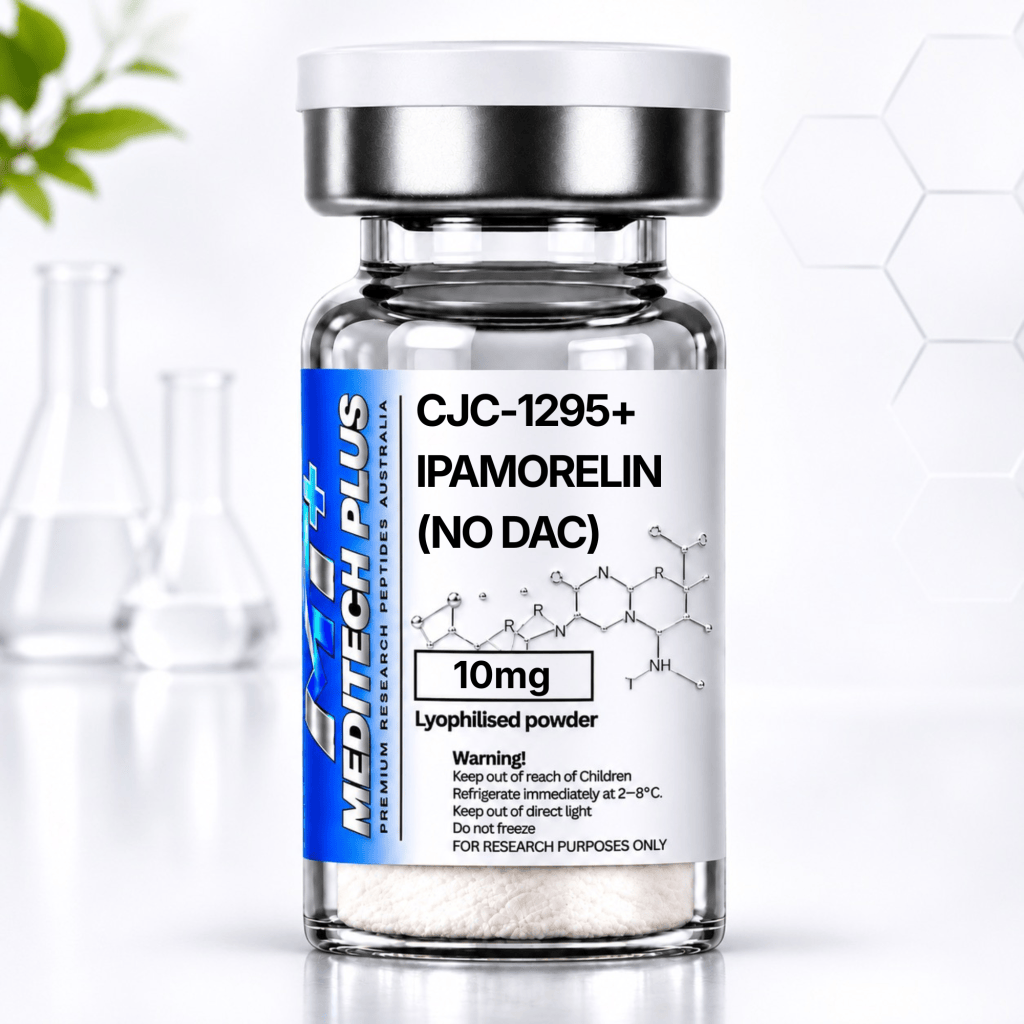
CJC-1295 and Ipamorelin are research peptides associated with the growth-hormone signaling axis.
This combination can be relevant to experimental research investigating interactions between growth-hormone-releasing pathways and metabolic processes such as body composition, lipid handling, protein metabolism, and endocrine signaling.
Why researchers study CJC-1295 + Ipamorelin
Research areas may include:
- Growth-hormone signaling
- Endocrine pathways
- Body-composition research
- Protein metabolism
- Lipid metabolism
- Peptide-receptor interactions
Meditech Plus product:
CJC-1295 + Ipamorelin 10mg No DAC
Research Comparison: 10 Metabolic Research Peptides
| Research Peptide | Primary Research Pathway | Example Research Area |
|---|---|---|
| RETA 10mg | GLP-1/GIP/Glucagon | Multi-receptor metabolic signaling |
| Cagrilintide 10mg | Amylin | Energy balance and metabolic signaling |
| Tirzepatide 10mg | GIP/GLP-1 | Incretin and glucose research |
| SURVODUTIDE 10MG | Glucagon/GLP-1 | Glucose and energy metabolism |
| MOTS-C 40MG | Mitochondrial signaling | Energy and glucose metabolism |
| AOD-9604 5mg | GH-derived metabolic pathway | Lipid metabolism |
| TESAMORELIN 10MG | GHRH/GH axis | Visceral fat and metabolic research |
| IGF-1 LR3 | IGF signaling | Growth and metabolic signaling |
| GHRP-6 10mg | GH secretagogue pathway | Endocrine and metabolic research |
| CJC-1295 + Ipamorelin 10mg | GH-releasing pathway | Endocrine and body-composition research |
How Researchers Study Peptides in Metabolic Research
Researchers can investigate metabolic peptides across several experimental dimensions.
1. Glucose Metabolism
Studies may examine:
- Glucose tolerance
- Fasting glucose
- Insulin signaling
- Insulin sensitivity
- Beta-cell function
- Glucose uptake
Multi-receptor compounds such as retatrutide and survodutide have been investigated in relation to glucose and metabolic biomarkers.
2. Lipid Metabolism
Lipid-focused research can examine:
- Triglycerides
- Fatty-acid metabolism
- Lipolysis
- Lipid oxidation
- Adipose-tissue signaling
- Lipoprotein profiles
Retatrutide, for example, has been studied using metabolomics and lipidomics approaches to investigate metabolic changes associated with treatment.
3. Mitochondrial Metabolism
Mitochondrial-derived peptides such as MOTS-c are particularly relevant to research into cellular energy metabolism.
MOTS-c research has examined pathways involving AMPK, glucose metabolism, mitochondrial signaling, and metabolic homeostasis.
4. Energy Balance
Researchers may investigate how peptide signaling interacts with:
- Food intake
- Energy expenditure
- Adipose tissue
- Hormonal signaling
- Metabolic adaptation
This makes compounds acting on GLP-1, GIP, glucagon, amylin, and related pathways important subjects of metabolic research.
5. Body-Composition Research
Some research models examine changes in:
- Fat mass
- Lean mass
- Visceral adipose tissue
- Hepatic fat
- Body weight
- Muscle-related parameters
Tesamorelin, for example, has been investigated in studies measuring visceral adipose tissue and other body-composition parameters.
Why Research Peptide Quality Matters
When selecting materials for laboratory research, researchers should consider more than the peptide name.
Important factors include:
Product Identity
The product should clearly identify the peptide or compound, concentration, and batch information.
Certificate of Analysis
A Certificate of Analysis (COA) can provide important batch-specific information about identity, purity, and testing.
Analytical Testing
Depending on the research protocol, researchers may require analytical documentation such as HPLC or mass-spectrometry information.
Storage Information
Research materials should be handled and stored according to the manufacturer’s documentation and applicable laboratory requirements.
Documentation
Clear product documentation helps researchers maintain reproducibility and appropriate laboratory records.
Research Peptides vs. Approved Medicines
A research peptide sold for laboratory research should not automatically be considered equivalent to an approved medicine.
The fact that a peptide appears in published scientific research does not mean that a commercially available research product is approved for human use, nor does it establish that the product is suitable for self-administration.
Researchers should distinguish between:
- Experimental research
- Preclinical studies
- Clinical research
- Approved therapeutic products
- Laboratory-only materials
This distinction is particularly important when researching compounds that are still under investigation.
Frequently Asked Questions
What are research peptides used in metabolic studies?
Research peptides used in metabolic studies are peptide compounds investigated in pathways involving glucose regulation, insulin signaling, lipid metabolism, energy balance, mitochondrial function, endocrine signaling, and related biological processes.
Which Meditech Plus products are relevant to metabolic research?
Meditech Plus Australia currently lists products such as RETA 10mg, Cagrilintide 10mg, Reta 40mg, Tirzepatide 10mg, SURVODUTIDE 10MG, MOTS-C 40MG, AOD-9604 5mg, TESAMORELIN 10MG, IGF-1 LR3, and NAD+ products within its research-oriented catalogue.
Is retatrutide studied in metabolic research?
Yes. Retatrutide has been studied as a multi-receptor agonist involving GLP-1, GIP, and glucagon receptor pathways. Recent research has also investigated associated metabolite and lipid-profile changes.
Why is MOTS-c studied in metabolism?
MOTS-c is a mitochondrial-derived peptide that has been investigated in relation to glucose metabolism, insulin sensitivity, AMPK signaling, mitochondrial function, and metabolic homeostasis.
What is AOD-9604 researched for?
AOD-9604 has been investigated in relation to metabolic and lipid pathways, including lipolytic activity and adipose-tissue metabolism.
Are these products intended for human use?
The products discussed in this article should be treated according to their stated research-use status and applicable regulations. This article does not provide instructions for human administration, dosing, or treatment.
Explore Research Peptides in Australia
Meditech Plus Australia provides a range of research-oriented peptides and laboratory products for researchers looking for clearly identified research materials.
Explore the available Metabolic Research collection to compare relevant compounds, product specifications, and available documentation.
📅 Last updated: